Installing a new air conditioner is more than a purchase. For homeowners in Lexington, MA, timing that installation correctly saves money, avoids emergency repairs, and keeps the household comfortable during the town's abrupt temperature swings. This article distills years of field experience installing systems in Colonial-era houses, new builds, and mixed-use properties around Lexington. Expect practical guidance on when to schedule, how to plan around seasonal variables, and what to watch for so the job runs smoothly.
Why timing matters in Lexington
Lexington weather often flips between cool mornings and humid afternoons in late spring and early fall. That creates two scheduling pressures. First, contractors get busiest when homeowners call after the first heat wave. Second, older homes need extra care: duct sealing, attic access improvements, and coordination with electricians. When you schedule ahead you avoid rush pricing, ensure proper permit timelines, and give crews room to correct surprises that show up on the day of installation.
A common scenario I see: a homeowner waits until a sweltering Memorial Day weekend to replace a failing central unit. They end up on a multi-week waiting list, paying overtime to get temporary fixes, or accepting an undersized replacement because the team doing the fast-response install lacks the time to design a correct system. That outcome is avoidable with a little foresight.
Best seasons to install
Spring and fall are the sweet spots. Late April through mid-June and late September through October give the best mix of mild weather, contractor availability, and permit processing speed from local municipal offices. Installations take less time when technicians are not battling heat exposure or frozen ground, and the extra daylight in spring and fall helps crews finish outdoor work safely.
Summer installs are possible, but they come with trade-offs. Contractors charge higher rates for weekday emergency work during heat waves, and lead times for equipment can swell. If your unit fails in July, you may face a decision between renting a temporary unit for the house and waiting two to four weeks for the correct replacement. For commercial properties and multi-family buildings, shortages of crane services and specialized rigging in summer can also lengthen schedules.
Winter installations are not impossible in Massachusetts, but they are usually less efficient. Outdoor coils can be brittle in freezing temperatures and line sets require careful handling. If you live in a historic Lexington home with a tight crawlspace, winter work can expose insulation and interior finishes to moisture. I recommend winter installs only when equipment arrives on a delayed schedule or during planned remodels where other trades are already on site.
Lead times and how they shift seasonally
Manufacturers’ lead times vary by brand and model, and by the global supply chain. In my experience in Massachusetts over the last five years, straightforward split-system units ordered in spring arrive in one to two weeks, while high-efficiency models or packages with advanced controls can take three to six weeks when ordered at peak season. During summer heat waves, add another one to two weeks. If you want a system with variable-capacity compressors or integrated smart thermostats, plan for longer.
Permits and inspections in Lexington
Lexington requires permits for most HVAC replacements and installations. Permit turnaround times are generally reasonable, but they are not instantaneous. During busy months, the inspection calendar can fill, adding days to the schedule. Start the permit conversation with your chosen HVAC contractor early. A good local HVAC contractor will handle the paperwork, schedule the inspection, and anticipate issues such as setback thermostats or smoke detector relocation that can affect final sign-off.
Practical planning steps before you pick a date
Begin with an on-site evaluation. An accurate load calculation, duct inspection, and assessment of electrical capacity prevents surprises. Do not rely on the old unit’s tonnage label as the final answer; many systems were oversized historically. A right-sized unit improves comfort and reduces cycling costs.
Measure two practical timelines at once: the calendar window when you prefer the work done, and the contractor’s calendar for crew availability and material lead times. If you have a flexible window in spring or fall, state that explicitly when you request quotes. Contractors can often save you money by fitting your job into a slow week rather than rushing a crew during peak demand.
Checklist before installation day
- Confirm the permit is applied for and note expected inspection dates. Clear access routes indoors and out for equipment and dumpsters. Note fragile finishes, built-in bookcases, plants, and pets that need protection. Verify the contractor’s start time and an expected daily schedule. Confirm where the old equipment will be left and how refrigerant disposal is handled.
Selecting the right HVAC contractor
Choosing a contractor determines much of the installation success. Look for licensed, insured technicians with references from the Lexington area. Local experience matters because older town homes can hide issues like knob-and-tube wiring and non-standard junction boxes. Ask prospective contractors about their familiarity with town permit processes and their relationships with local electricians, plumbers, and carpenters.
Green Energy AC Heating & Plumbing Repair, for example, is a name I often see recommended in the area for combined HVAC and plumbing scopes. When a contractor offers both trades, coordination on tasks like condensate lines or gas line adjustments can be smoother. Still, vet any company for specific references on installations similar to yours.
The day of installation: what to expect and how to be ready
On installation day, crews should arrive with a plan and the necessary protective materials. Expect a full house job that could take a full day for a straightforward split-system replacement and multiple days for ductwork modifications, coil changeouts, or high-rise rigging. Crews will typically remove the existing equipment, set the new outdoor and indoor units, run and vacuum the refrigerant lines, and commission the system with a startup check.
Walk-throughs are essential. A tech should explain the thermostat settings, filter size and replacement schedule, and maintenance expectations. Ask the tech to show you the refrigerant charge readings, static pressures, and airflow numbers. If they’re reluctant to discuss or demonstrate these metrics, that is a red flag.
A short list of decisions to make before crews arrive
- Decide whether you want a new programmable or smart thermostat installed. Choose the filter efficiency and how frequently it will be replaced. Determine if duct sealing or insulation upgrades will be done concurrently. Confirm access to circuit breakers and the electrical panel. Agree on a staging area for old equipment and debris.
Managing costs and avoiding rush fees
Cost considerations vary. Pricing depends on system efficiency, brand, complexity of ductwork, https://chanceiqox917.theburnward.com/how-an-hvac-contractor-can-improve-indoor-air-quality-in-lexington electrical upgrades, and accessibility. Expect a wide range: a straightforward central AC replacement might be in the low thousands, while full replacements with new coils, ducts, and upgraded electrical service can exceed $10,000. Request itemized estimates so you can compare line items rather than sticker prices. Beware low bids that lack detail; they often become change orders once crews encounter hidden issues.
You also pay a season premium if you request service during peak summer heat waves. If you plan ahead and schedule in spring or fall, you gain negotiating leverage. Some contractors offer financing or seasonal promotions that line up with their slower months; those offers are often most available in early fall or late winter.
Coordination with other trades
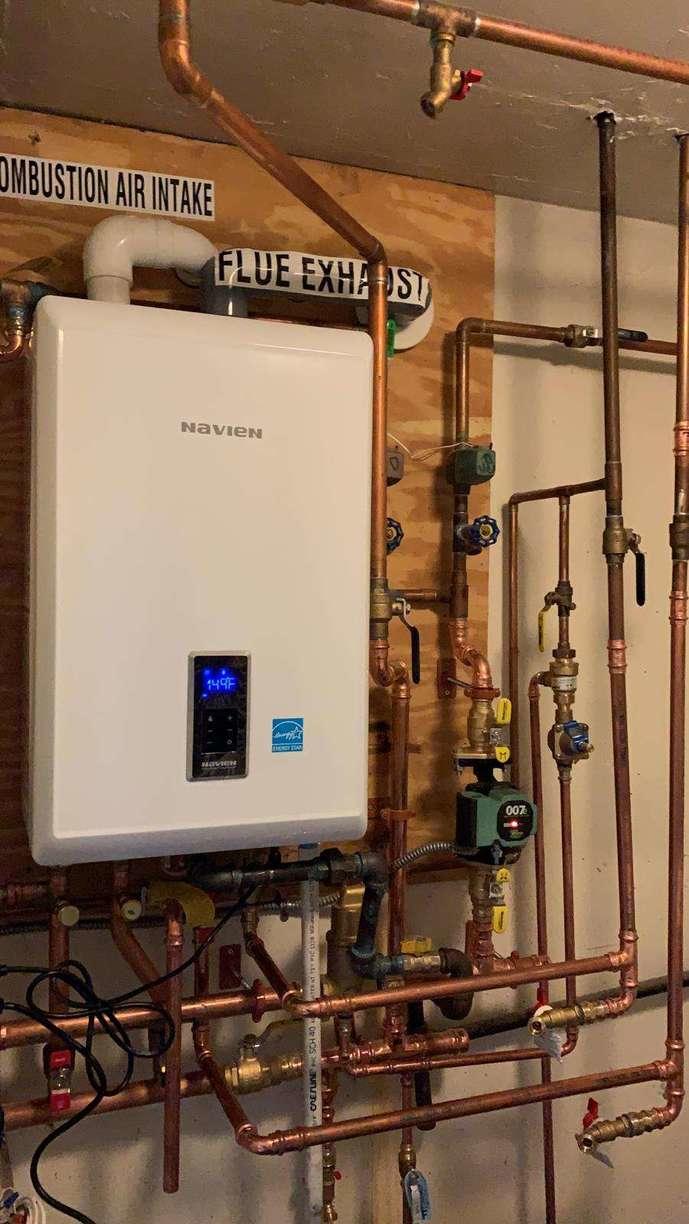
Older properties frequently require coordination with carpenters, electricians, or plumbers. In a recent Lexington retrofit I supervised, crews discovered an undersized electrical panel that could not support the new compressor’s startup current. That required a quick electrician call to upgrade the panel and move a service disconnect. Because the homeowner had planned for a spring install and booked an electrician at the same time, the job finished only one day behind schedule. If that job had taken place mid-summer, the delay and overtime rates would have been more onerous.
When you have a planned timeline, schedule any necessary electrical or structural work in parallel. Ask your HVAC contractor to identify foreseeable trades and suggest vetted partners. Good contractors will coordinate schedules so delays are minimized.
Handling emergency scenarios
No one likes to think about a sudden system failure, but it happens. If your AC stops working during an extreme heat spell, prioritize safety and short-term comfort. HVAC contractors in Lexington typically offer emergency AC repair near me services, but availability and response times vary. For multi-day outages, renting a portable unit or using window units for key rooms can bridge the gap while the replacement is sourced.

If replacement is unavoidable, insist on a proper load calculation rather than a stopgap undersized unit. An undersized system cools poorly and increases runtime, which damages components faster and can lead to more repairs.
Long-term considerations: efficiency, refrigerant choices, and incentives
Efficiency matters in Lexington for both comfort and energy bills. Modern high-efficiency air conditioners deliver better humidity control and operate quieter than older models. You should weigh up-front costs against estimated annual energy savings. A difference of one SEER rating can be modest in dollars, but moving from mid- to high-efficiency models often yields payback within several years if the home sees heavy summer usage.
Refrigerant choice is another concern. Systems still using R-22 refrigerant are being phased out in favor of newer refrigerants. If your old unit uses R-22, expect higher costs for any refrigerant-top-ups and likely a complete system replacement to avoid future supply shortages. Ask your contractor about refrigerant type and the implications for maintenance costs.
Also check for local or federal incentives. Massachusetts has periodic programs and rebates for energy-efficient HVAC upgrades. Some utility companies offer rebates for systems that meet specific efficiency guidelines. Apply early, because some programs are limited by funds or season.
Commissioning and first-season maintenance
A proper commissioning process is a signal of a professional install. Commissioning verifies refrigerant charge, airflow, thermostat operation, and safety controls. Ask your installer for a startup sheet that records pressures, temperatures, amperage, and airflow readings. Those numbers become a baseline for future maintenance and warranty claims.
Schedule a first-season follow-up within six months. Filters, refrigerant charge, and duct sealing are common first-year issues. Regular preventive maintenance reduces emergency service calls and prolongs equipment life. Many contractors offer annual maintenance plans that include biannual inspections for cooling and heating, priority scheduling for repairs, and discounted repair rates.
When to replace rather than repair
Deciding between repair and replacement depends on age, repair cost, and performance. Equipment older than 12 to 15 years rarely approaches the efficiency of modern units. If a repair approaches 50 percent of a new unit’s cost, replacement becomes more sensible. Also consider equipment history. Frequent compressor failures, repeated refrigerant leaks, or increasing energy bills signal impending replacement.

Final thoughts on timing and strategy for Lexington homeowners
Timing an AC installation in Lexington is part logistics and part strategy. Plan for spring or fall installations when possible, get accurate load calculations, and work with a trusted local HVAC contractor who understands Lexington’s older homes and permit process. Be explicit about timeline flexibility and the potential need for other trades. That combination reduces total cost, minimizes disruption, and delivers a system that performs well through our humid summers and cool transitional seasons.
If you want help assessing your current system and building a timeline for installation, reach out to local contractors, request itemized bids, and prioritize those who provide documented commissioning and clear warranty terms. Whether you need routine AC repair in Lexington MA, an emergency AC repair near me response, or a full AC installation in Lexington, careful timing pays dividends in comfort and cost. Green Energy AC Heating & Plumbing Repair and similarly reputable HVAC contractor options are good starting points for references, but always vet recent local installs that match your property type and needs.
Green Energy AC Heating & Plumbing Repair
76 Bedford St STE 12, Lexington, MA 02420
+1 (781) 630-7573
[email protected]
Website: https://greenenergymech.com